Volvo gave away the patent. Congress made it mandatory. It still took until 1984.
This essay is a departure from what I normally write. When I read, I leave margin notes of my reactions to passages and I’ve been wrestling with a contradiction across these notes. It crosses a few disciplines, including finance, and there’s enough crossover to be worth your time. My question is: if you have to force a policy, does that doom it to failure? In other words, if a new idea truly is an improvement, do people need to be forced to adopt it?
Seatbelts are where I first encountered this problem. They were available to consumers for decades. Nash Motors, a large car manufacturer, prepared over 40,000 seatbelts for their debut in 1949 but they only sold about a thousand or so. About a decade later in 1956, Ford marketed seatbelts as a safety package called Lifeguard. It cost customers about $110 in 2026 dollars, but only 2% bought it. The industry concluded that safety wasn’t a priority for customers and moved on.
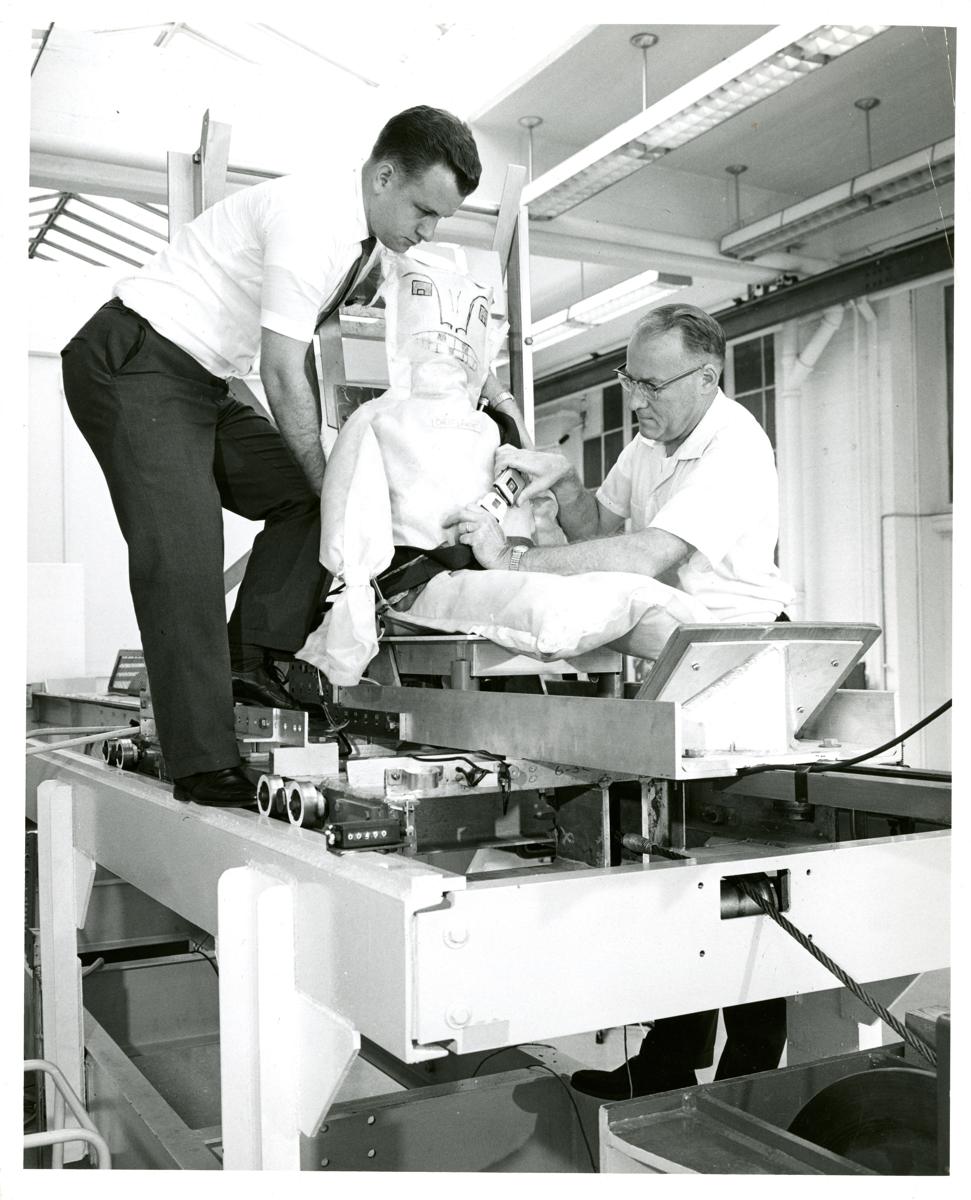
In 1959, Volvo, with an eye for safety, developed the 3 point seatbelt. They released the patent so any automaker could make it. Nils Bohlin, a Volvo engineer, crunched the numbers in 1967. After analyzing 28,000 traffic accidents in Sweden, he found that not a single person wearing a seatbelt and crashing at under 60mph was killed. Overall, seatbelts cut fatalities and injuries by 50-60%.
Just one year later in 1968, the US federal government required the installation of seatbelts. Problem solved right? Adoption should soar to 100%. But that isn’t what happened. Instead, adoption hovered around 11-14% for sixteen years until New York required drivers to wear seatbelts in 1984. Three years later, 29 other states passed similar laws and by 2000 nearly 71% of drivers were wearing them.
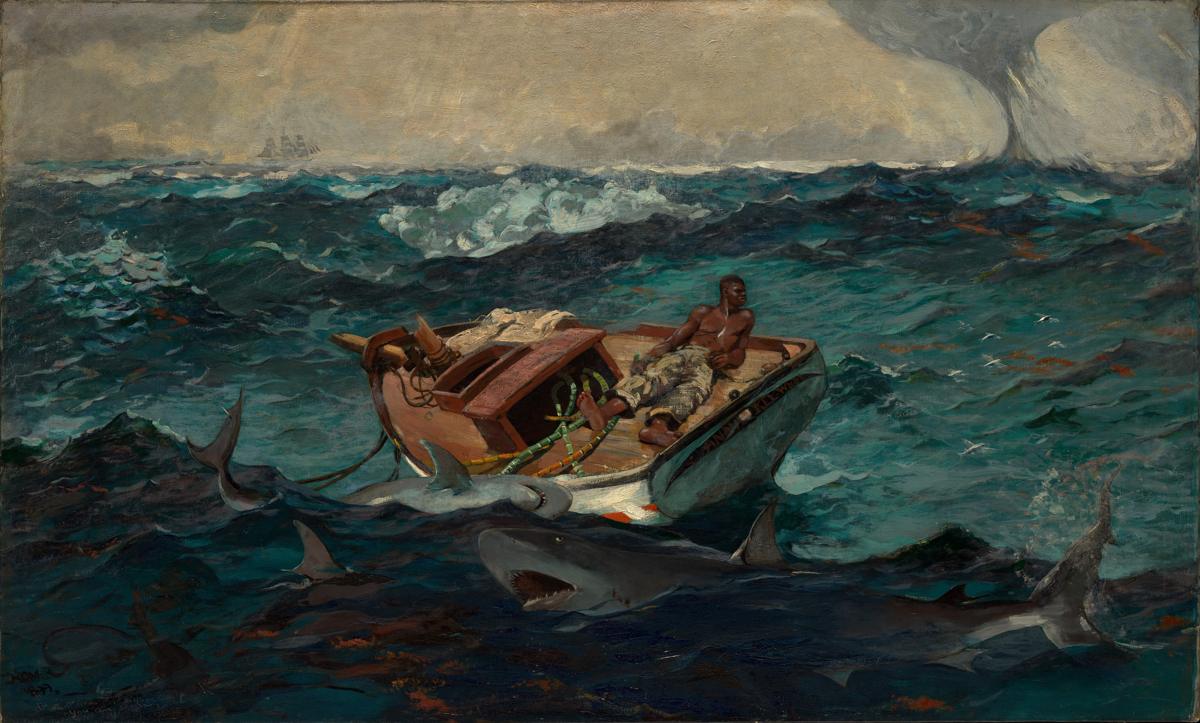
Drivers didn’t adopt them because of how people think about risk. A car crash is a discrete, rare, all or nothing event that people are not exposed to often. This leads people to underestimate the value of seatbelts because they incorrectly predict a crash won’t happen to them. Similarly, people often overestimate risk as well. Most people don’t know that champagne corks kill more people annually than sharks do, but there are no famous movies about corks killing people, and so we’re naturally more afraid of shark attacks. This is where government mandates can play a role, and that was my prior until I read Seeing Like a State by James Scott last week.
⁂
This illustrates a tradeoff between adoption and choice quality. You can increase adoption by adjusting defaults, or you can adjust choice quality by increasing friction. It’s very difficult to do both. Also, defaults are valuable because they allow for feedback. If the 401(k) was mandated, we couldn’t track opt-out rates. We couldn’t determine if the retirement plan was serving the needs of savers as easily.
My thinking has evolved on this. I started by believing that if a government policy was focused on optimizing a metric, then it was likely to fail, but if it was focused on creating a substrate through which people operate (contract law, currency), then it will be accretive to society and endure. But then I looked at seatbelts again, and if that was the right framework, seatbelts should’ve been adopted ubiquitously when they were installed in every car. No one was forced to wear one, but it was available to all drivers. Instead it took another two decades of legal restrictions to change behavior.
Then I considered the anti-seatbelt debate. Convenience, personal autonomy, and the question of if police should be allowed to pull people over for not wearing one were all tradeoffs that needed to be considered. Nearly 65% of Americans were against seatbelts in 1984, and the argument was allowed to evolve in public. Costs and benefits could be considered.
⁂
When someone proposes a product, policy, or rule, they typically explain the benefit. They’re probably right too. The point is that we need to find out what the tradeoff is. We should always ask specific questions about which group is bearing the costs, and which are receiving the benefits. Force is justified when the tradeoffs have been named and the people bearing them agreed.
⁂